
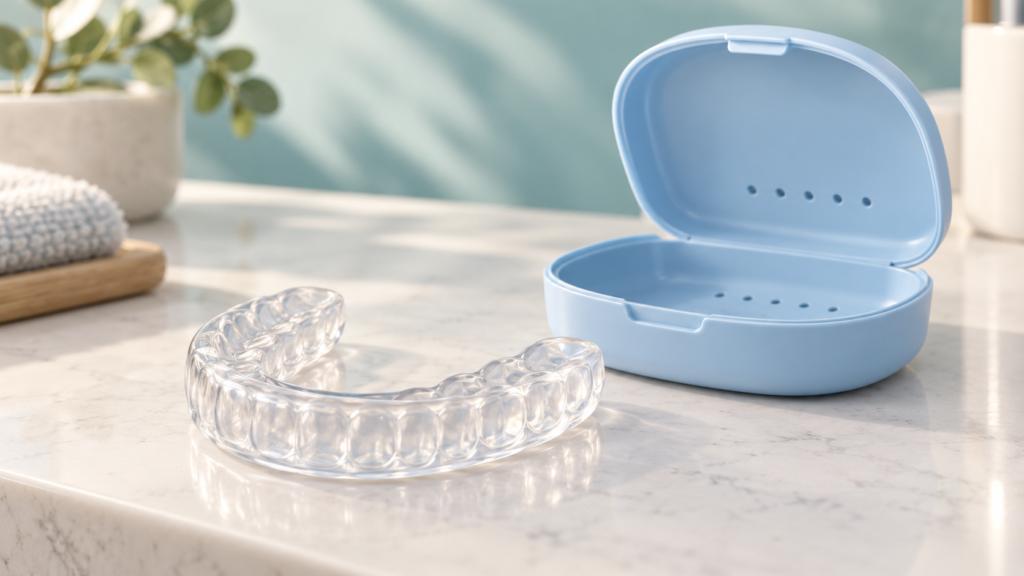
Waking with a tired jaw, noticing a chipped tooth or hearing that you grind your teeth at night can leave you wondering what to do next. Teeth grinding and jaw clenching, often called bruxism, deserve attention when they cause discomfort or damage. A dental assessment can help clarify what is happening and whether protection, monitoring or another type of care makes sense.
If you are concerned about teeth grinding in Mississauga, start by describing your symptoms rather than choosing a night guard on your own. This guide explains common signs, what a guard can do and the questions worth bringing to your appointment.
What is bruxism?
Bruxism includes grinding or clenching the teeth during waking hours or sleep. You may notice yourself pressing your teeth together, or someone sharing your bedroom may hear grinding before you recognise it. Some cases are mild and do not need treatment; others can damage teeth or contribute to jaw discomfort. The National Institute of Dental and Craniofacial Research (NIDCR) recommends paying attention to symptoms and keeping up with dental care.
Daytime clenching can occur during activities that demand concentration, such as working at a computer or driving. The Canadian Dental Association notes that morning symptoms may fade, while discomfort associated with daytime clenching can become more noticeable later.
Signs worth discussing with your dentist
Pay attention to changes rather than trying to diagnose yourself from a single symptom. Possible signs include:
- Aching teeth or jaw muscles, particularly after waking
- Facial discomfort or tenderness around the temples
- Recurring headaches
- New sensitivity to hot or cold foods and drinks
- Chipped or fractured teeth, or damage to an existing filling or crown
- A partner reporting grinding sounds during sleep
The Canadian Dental Association’s bruxism guidance describes these symptoms and potential complications. They are reasons to arrange an examination, even if you are unsure about the cause.
Jaw pain has other possible explanations, including dental infection, injury, arthritis and jaw-joint problems. The American Dental Association (ADA) advises an assessment to identify the source, because the appropriate treatment depends on it.
Why does teeth grinding happen?
There may be several contributing factors. Stress, sleep problems, smoking, alcohol, caffeine and certain medications can be relevant. The NHS overview of teeth grinding explains that the cause is not always clear.
Bring an up-to-date medication list and mention recent changes when you seek care. If you suspect a medicine is involved, discuss it with the prescribing clinician rather than stopping or changing it yourself. It is also useful to explain whether symptoms began during a stressful period or alongside a change in sleep. These details help guide the conversation without assuming one factor explains everything.
What a dental assessment can and cannot tell you
A dentist can ask when symptoms occur, examine teeth and restorations for damage, and check the jaw and facial muscles for tenderness. A partner’s observations can also be useful. In some circumstances, sleep testing provides information about nighttime muscle activity or a suspected sleep disorder. These assessment methods are described by NIDCR.
There are limits to what an examination alone can establish. Worn teeth show that tooth structure has been lost, but they do not measure how much you are grinding tonight. A 2025 international bruxism consensus report explains that clinical signs can reflect past activity, while device-based assessment measures a different aspect of the behaviour. Your history, current symptoms and examination findings need to be considered together.
Wear can also have other causes. For example, stomach acid reaching the mouth can erode enamel, as the ADA’s information on acid reflux and tooth erosion explains. Mention reflux symptoms or an existing reflux diagnosis rather than assuming every worn surface comes from grinding.
At South Creek Dental, general dentistry services include dental examinations and an explanation of findings and next steps. An appointment is an opportunity to ask what evidence supports the assessment, what needs attention now and what can be monitored.
How night guards can help
A night guard is an appliance worn over the teeth during sleep. Its purpose is to provide a protective barrier between opposing teeth. A dentist may recommend a custom-made appliance when the examination indicates a need. A guard does not rebuild existing damage, and you should not expect it to guarantee that all grinding or jaw pain will stop.
The ADA’s guidance on teeth grinding explains that custom guards are made to fit the individual, while shop-bought options may not offer the same protection. Sports mouthguards have a different design and purpose: they cushion impacts during activity. Ask a dentist which appliance, if any, is suitable for your teeth and symptoms.
Jaw pain also needs its own assessment. NIDCR’s guidance on temporomandibular disorders notes that evidence for appliances relieving TMD pain is limited. It recommends avoiding appliances intended to permanently change the bite and stopping use to consult a clinician if an appliance causes pain.
Before agreeing to an appliance, ask about the intended benefit, fit checks, cleaning instructions, follow-up and total cost. Tell the dentist if you already wear a retainer or another dental appliance, and bring it to the visit. These questions help make the recommendation and practical responsibilities clear.
If a guard is recommended, ask how success will be judged. Is the main goal protecting teeth, managing symptoms or both? Ask when to return for a review and which changes warrant earlier contact. Knowing this before treatment makes it easier to describe progress accurately and discuss any concerns.
Helpful steps while you arrange care
The NHS recommends relaxation, regular sleep habits and avoiding excessive alcohol or caffeine. If chewing hurts, avoid gum and hard foods while seeking advice. These measures can support care, but persistent symptoms still deserve assessment.
For daytime clenching, a gentle reminder on your phone or desk may help you notice when your teeth are pressed together. Let the jaw relax rather than repeatedly testing or forcing it. NIDCR includes reminders to keep the teeth apart among its practical tips. Ask your dentist for guidance tailored to your symptoms.
Mention snoring and breathing changes
If you also have loud snoring, witnessed pauses in breathing, gasping during sleep or persistent daytime sleepiness, tell your doctor. These are among the NHS-listed symptoms of sleep apnea that warrant medical assessment. Grinding alone does not establish a sleep apnea diagnosis. Do not assume a night guard chosen for tooth protection will address a breathing problem; ask about appropriate medical evaluation.
When to seek urgent help
Contact a dentist promptly for a broken tooth, severe or worsening dental pain, or swelling. Fever with facial swelling or tooth pain may indicate infection rather than a simple grinding concern; a dental abscess needs urgent treatment.
For difficulty breathing or swallowing, major facial trauma or bleeding that will not stop, call 911 or go to the nearest emergency department. South Creek Dental’s dental emergency guidance also explains when to call the clinic for the next appropriate step.
Assessment for teeth grinding in Mississauga
Before your visit, jot down when symptoms occur, how long they have been present and whether eating or sleep is affected. Bring your medication list, any existing appliance and questions about treatment options.
To discuss your concerns, contact South Creek Dental at 905-238-5080. The office is at 3045 Southcreek Road, Unit 6, Mississauga. Request a dental examination and explain any pain, sensitivity or damage when booking so the team can advise on timing.
This article provides general education and does not replace an individual dental or medical assessment.